Skip to content

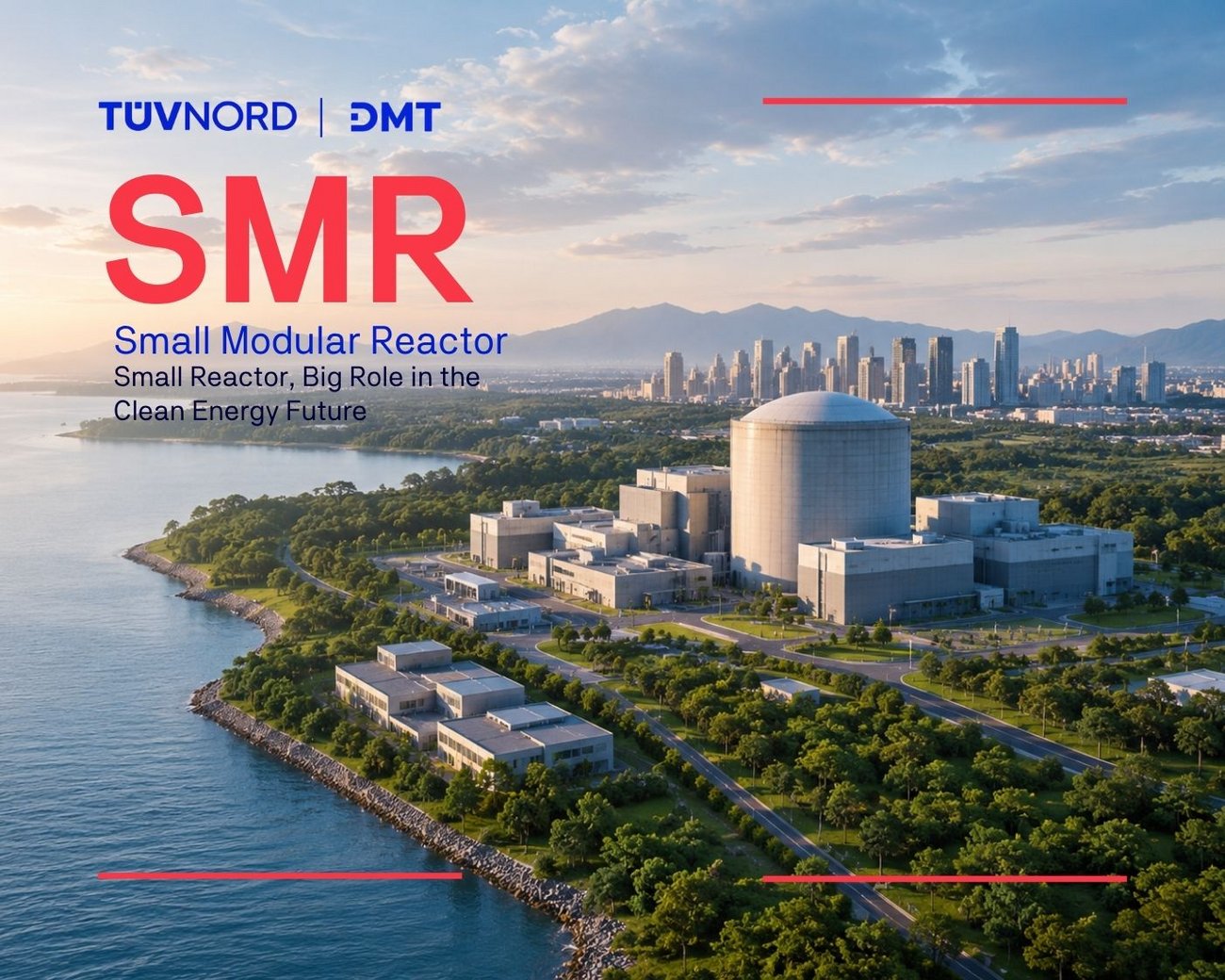
Small Modular Reactor-ENG

Future Energy Technology for a Reliable and Low-Carbon Power System

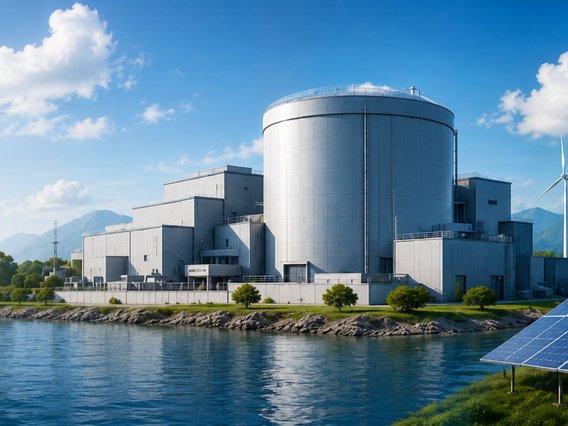
Small Modular Reactors (SMRs) are gaining attention as one of the promising options for future energy systems. Based on the concept of compact, modular nuclear reactors, SMRs can be designed to generate up to approximately 300 MWe per module, while utilizing standardized components that can be manufactured in factories.
Why Are SMRs Important for the Future of Energy?

Electricity demand is evolving alongside the growth of data centers, digital infrastructure, EV and battery manufacturing, advanced manufacturing, and petrochemical and industrial estates.

These industries require not only large volumes of electricity but also power that is:

  • Reliable: Ensures a stable and uninterrupted electricity supply.
  • Affordable: Offers long-term cost competitiveness.
  • Low-carbon: Supports decarbonization and sustainability goals.
  • 24/7 Power: Meets continuous electricity demand around the clock.

In this context, Small Modular Reactors (SMRs) can play an important role in strengthening future energy systems. By providing stable, low-carbon baseload power, SMRs can complement energy mixes that include solar and wind power, which are inherently variable and dependent on weather conditions. This enables a more resilient, reliable, and sustainable electricity supply while supporting the growing energy needs of modern industries.


How Can SMRs Work Together with Renewable Energy?

Rather than viewing the energy transition as a choice between “Nuclear or Renewables?”, the key question is increasingly becoming:

“How can nuclear and renewable energy work together?”

Future energy systems can combine the strengths of different technologies to create a more reliable, flexible, and low-carbon electricity supply:

  • Solar: Generates electricity from sunlight during daytime hours.
  • Wind: Produces electricity when wind conditions are favorable.
  • Battery Storage: Enhances flexibility, stores excess energy, and helps balance the power system.
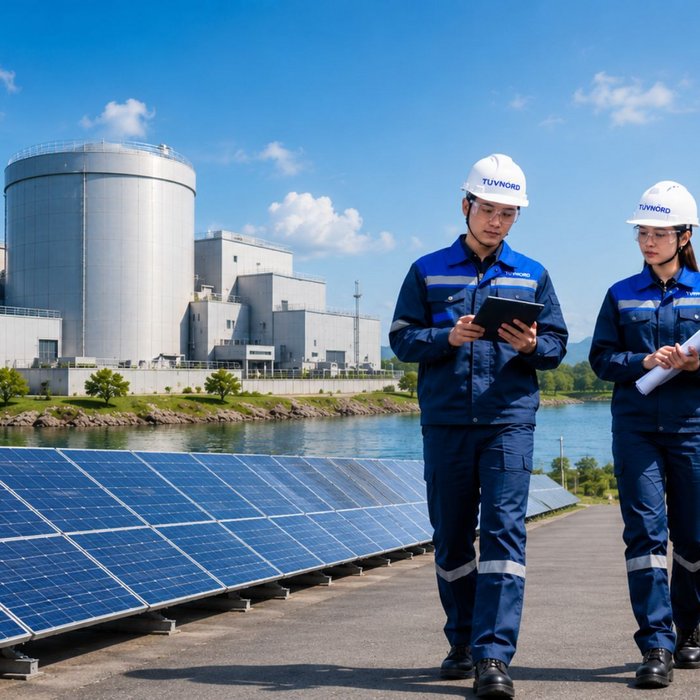
  • SMRs: Provide continuous 24/7 low-carbon electricity generation, supporting grid stability and complementing the variable nature of renewable energy sources.

By integrating these technologies, future power systems can deliver a cleaner, more resilient, and more reliable energy supply while meeting growing electricity demand.

What You Need to Know About SMRs

Key Facts About Small Modular Reactors (SMRs)

SMRs are not based on a single reactor technology. Today, several reactor concepts are being developed, including:

  • Water-Cooled SMRs – Reactors that use water as the primary coolant.
  • High-Temperature Gas-Cooled Reactors (HTGRs) – Reactors that use gas as a coolant and operate at high temperatures.
  • Fast-Neutron SMRs – Reactors that utilize fast neutron technology.
  • Molten Salt Reactors (MSRs) – Reactors that incorporate molten salt within the reactor system.
  • Microreactors – Very small-scale reactors designed for specialized and remote applications.

Note: Each technology differs in terms of coolant type, fuel design, operating temperature, safety characteristics, and intended applications. As a result, different SMR concepts may be suited to different energy, industrial, and infrastructure needs.

Thailand's Path Toward SMR Deployment

Thailand has begun studying and evaluating SMR-related considerations as part of its long-term energy planning framework. The draft Power Development Plan 2024 (PDP 2024) identifies the potential deployment of approximately 600 MWe of SMR capacity, consisting of SMR Plant 1 (300 MWe) and SMR Plant 2 (300 MWe), with an initial timeline of around 2037.

However, the inclusion of this potential capacity does not mean that Thailand has decided to build SMRs. Rather, it reflects the growing role of SMRs in discussions surrounding the country's long-term energy strategy.

Key considerations also include:

Technology Selection | Site Selection | Regulatory Readiness | Nuclear Safety and Security | Human Resource Development | Radioactive Waste Management | Emergency Preparedness and Response | Public Engagement

Safety of Small Modular Reactors (SMRs)

One of the key areas attracting attention is the concept of Passive Safety Systems.

Many next-generation SMR designs incorporate safety systems that utilize natural physical forces such as:

  • Gravity
  • Natural Circulation
  • Convection
  • Decay Heat Removal

These concepts help reduce reliance on electrically powered systems, such as pumps and active cooling systems. In some designs, safety systems can also be integrated directly into the reactor structure.

However, this does not mean that SMRs are risk-free. Their deployment still requires rigorous management of areas such as nuclear safety, safeguards and security measures, emergency preparedness and response, radioactive waste management, and decommissioning.

Smaller does not necessarily mean cheaper.

Large nuclear power plants can benefit from economies of scale, while SMRs are expected to rely more on the concept of “economy of series.”

If the same reactor design can be manufactured repeatedly in factories, potential benefits may arise through:

Standardization → Modular Manufacturing → Supply-Chain Learning → Shorter Construction Periods → Replication

However, the cost competitiveness of SMRs will ultimately need to be demonstrated through real-world deployment, including their performance in terms of cost, construction schedules, and operational efficiency.

Download the Brochure to Learn More

Explore SMR technology, its role in future energy systems, and the opportunities it may offer for Thailand.

Submit to download

About DMT

DMT is an international engineering and consulting company and part of the TÜV NORD GROUP, with expertise in engineering, geotechnics, exploration, and natural resources.

Collaboration within the TÜV NORD GROUP combines the expertise of DMT with TÜV NORD's capabilities in testing, inspection, certification, and safety to support complex projects, particularly in the fields of energy, industry, and infrastructure.

For technologies such as Small Modular Reactors (SMRs), this combination of expertise can support comprehensive project evaluation covering engineering, site conditions, safety, risk, and sustainability.

Why Choose Us?

Because the energy transition requires comprehensive information and a systematic approach to evaluation.

TÜV NORD | DMT provides information and insights on SMRs to help businesses and stakeholders understand the opportunities, challenges, and key considerations that should be evaluated before adopting Small Modular Reactor (SMR) technology.

Energy Expertise

TÜV NORD has expertise in Testing, Inspection, Certification, Safety, and Technical Services.
DMT has strong capabilities in Engineering, Geotechnics, Exploration, and Natural Resources.

This combination of complementary expertise enables the integration of multidisciplinary knowledge to support complex projects, from feasibility studies, technical assessments, and risk analysis to project planning and development.

SMRs May Be Part of the Answer to Future Energy Systems

SMRs may be smaller than conventional nuclear power plants, but the questions they need to answer are much bigger.

Can SMRs provide reliable, low-carbon electricity around the clock at a competitive cost?

Can SMRs serve as a bridge between renewable energy and firm low-carbon electricity?

The answer depends not only on the technology itself, but also on economics, regulation, public confidence, and real-world performance.