
ISO 14001 Environmental Management System
ISO 14001 is an international standard related to Environmental Management System, which specifies a set of environmental management requirements.
ISO 14001 is an international standard related to Environmental Management System, which specifies a set of environmental management requirements.
ISO 14001 is an international standard related to Environmental Management System, which specifies a set of environmental management requirements. ISO 14001 can help all types of organizations to protect the environment, to prevent pollution, and to improve environmental management performance. Prevention of pollution, compliance with legislation, and continual improvement are the fundamental commitments required.
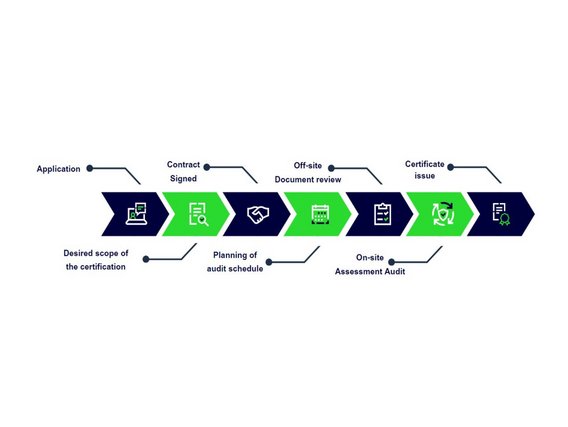
A certification process is an independent, impartial, third-party assessment that verifies a company's product, process, or management system meets specific requirements, ensuring compliance with a chosen standard.

Leading Through Environmental Responsibility.
The underlying philosophy of this certification rest in the intent that irrespective of the nature of your business, your organization shall comply with the applicable environmental legislation. Our team of auditors critically examine your organization's procedures and practices and assess your commitment to comply with these legislations.
TUV NORD (Thailand)'s audit team can provide your organization with a framework for formulating a strategic approach on environmental policies, plans and actions.