Skip to content

Green Data Center

Green Data Centers: Powering the Digital World Sustainably

How Can the Digital World Grow More Sustainably?

in today's digital era, technologies such as cloud computing, artificial intelligence (AI), big data, the Internet of Things (IoT), and streaming services have become an integral part of everyday life. Behind these digital services lies a critical infrastructure that powers the modern world—the data center.

As global demand for digital services continues to grow, so does the need for data processing and storage. Consequently, data centers consume significant amounts of electricity and natural resources, making sustainability a key challenge for the industry. This has led to the emergence of Green Data Centers, designed to deliver high-performance computing while minimizing environmental impact.

Green Data Centers: Powering the Digital World Sustainably

A Green Data Center is a facility designed, constructed, and operated to maximize energy efficiency while reducing its environmental footprint.

Its primary objectives include:

✔️ Reducing electricity consumption

✔️ Minimizing water usage for cooling

✔️ Lowering greenhouse gas (GHG) emissions

✔️ Reducing electronic waste (e-waste)

✔️ Improving overall operational efficiency

Unlike conventional data centers that primarily focus on computing performance and availability, Green Data Centers balance operational excellence with environmental sustainability.

The rapid expansion of AI, cloud computing, and digital transformation has significantly increased the demand for computing power worldwide. As a result, data centers have become major consumers of electricity and contributors to global carbon emissions.

Adopting Green Data Center practices enables organizations to:

✔️ Reduce energy consumption and operating costs

✔️ Lower their carbon footprint

✔️ Support Net Zero and climate action initiatives

✔️ Comply with environmental regulations and sustainability standards

✔️ Strengthen corporate reputation through responsible environmental stewardship

Beyond environmental benefits, Green Data Centers also enhance long-term business resilience and competitiveness.

Key Features of a Green Data Center

1. Energy Management

Energy represents one of the largest operational costs of any data center. Green Data Centers prioritize efficient energy management through advanced technologies and renewable energy integration. Common practices include:

     ◾ Utilizing renewable energy sources such as solar, wind, and hydropower

     ◾ Implementing Energy Management Systems (EMS)

     ◾ Using AI and IoT to monitor energy consumption in real time

     ◾ Optimizing server workloads to improve power efficiency

Note: These initiatives help reduce both operational costs and greenhouse gas emissions.

2. Energy-Efficient Cooling Systems

Cooling infrastructure accounts for a significant portion of a data center's energy consumption. To improve efficiency, Green Data Centers adopt innovative cooling technologies, including:

     ◾ Liquid cooling systems

     ◾ Free-air cooling

     ◾ AI-driven temperature management

     ◾ Intelligent cooling optimization

Note: These technologies help maintain optimal operating temperatures while significantly reducing electricity usage.

3. Water Efficiency

Water conservation is another critical component of sustainable data center operations, particularly for cooling systems. Green Data Centers improve water efficiency by implementing solutions such as:

     ◾ Air-based cooling systems that minimize water consumption

     ◾ Closed-loop liquid cooling systems that recycle coolant

     ◾ The use of reclaimed or recycled water for cooling

     ◾ Real-time water monitoring to detect leaks and optimize water usage

Note: These approaches reduce reliance on freshwater resources while improving operational sustainability.

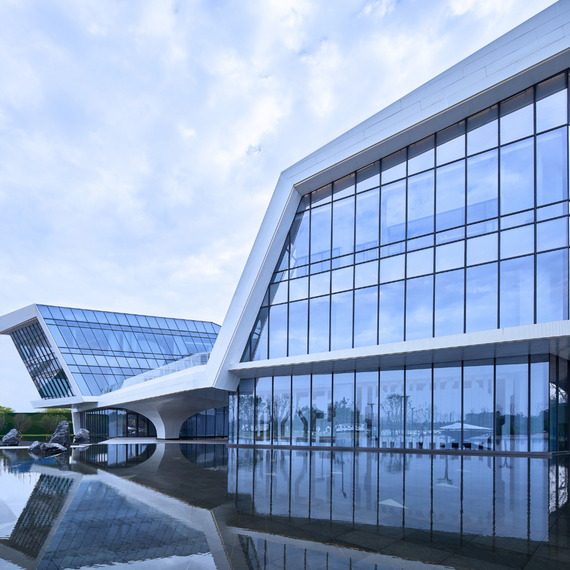
4. Sustainable Building Design

Sustainability begins with the design and construction of the facility itself. Green Data Centers are commonly designed using environmentally responsible practices, including:

     ◾ Sustainable building materials

     ◾ High-efficiency lighting systems

     ◾ Water-saving technologies

     ◾ Facility layouts that maximize natural airflow

     ◾ Optimized space utilization to reduce energy losses

Note: Thoughtful building design contributes to lower environmental impact throughout the facility's lifecycle.
Challenges of Green Data Centers

Despite their many advantages, Green Data Centers also face several challenges.

These include:

     ◾ High initial investment costs

     ◾ Limited availability of renewable energy in some regions

     ◾ The complexity and cost of upgrading existing facilities

     ◾ Balancing performance, reliability, and sustainability while meeting increasing digital demand

However, continuous technological advancements are steadily reducing these barriers and making sustainable data center operations more economically viable.

The Future of Green Data Centers

The future of Green Data Centers is promising, driven by rapid innovation in technologies such as:

     ◾ Artificial Intelligence (AI)

     ◾ Smart Energy Management

     ◾ Advanced Cooling Technologies

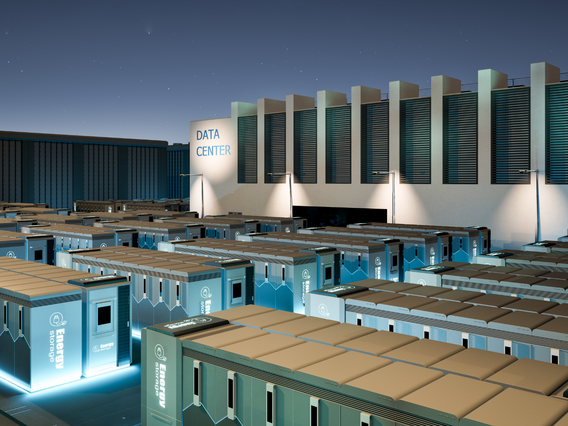
     ◾ Battery Energy Storage Systems (BESS)

     ◾ Renewable Energy Integration

At the same time, many leading technology companies have committed to achieving carbon-neutral or even carbon-negative operations, accelerating the global transition toward more sustainable digital infrastructure.

As environmental regulations become more stringent and organizations place greater emphasis on Environmental, Social, and Governance (ESG) performance, Green Data Centers will play an increasingly important role in supporting sustainable digital transformation.

Green Data Centers represent more than just a technological trend—they are becoming the new standard for sustainable digital infrastructure.

By investing in energy-efficient technologies, renewable energy, advanced cooling systems, and sustainable facility design, organizations can support the growing demand for digital services while reducing environmental impact and advancing their ESG commitments.

TUV NORD Thailand offers inspection, certification, testing, and training services that enable organizations to strengthen operational excellence and demonstrate compliance with internationally recognized standards.