Demonstrate your commitment to quality, safety, and regulatory compliance with internationally recognized ISO 13485 certification, supporting confidence across the medical device lifecycle and global markets.
Contact Our Experts
Meeting internationally recognized quality standards has become a critical requirement for every organization operating in the medical device industry. As regulatory expectations continue to evolve, organizations must be able to demonstrate their ability to consistently provide medical devices that are safe, reliable, and compliant with applicable standards.
EN ISO 13485 establishes requirements for organizations involved in the design, production, installation, and servicing of medical devices. The standard provides a globally recognized framework for meeting regulatory requirements while supporting consistent quality throughout the product life cycle.
These requirements cover every stage of the process, helping organizations strengthen their quality processes, improve operational consistency, and build trust among customers and regulatory authorities.
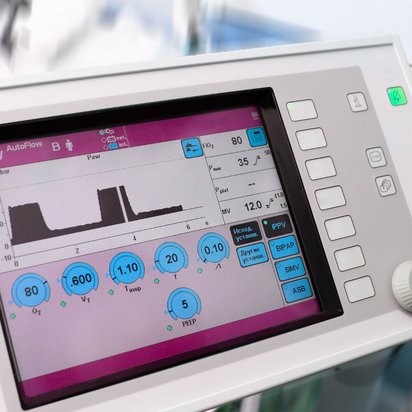
It is important to understand that ISO 13485 is not intended exclusively for manufacturers. Medical device distributors are also among the key organizations for which this certification is relevant.
This is reinforced by Minister of Health Regulation No. 11 of 2025 concerning Business Activity Standards and Product/Service Standards for Risk-Based Business Licensing in the Health Subsector. This regulation requires business entities, including distributors, to implement a standardized quality management system to ensure the safety and quality of medical devices throughout the supply chain and until they reach the end user.
The ISO 13485 certificate you receive will display the logo of the relevant accreditation body. The choice of accreditation body largely depends on your target market and the regulatory requirements applicable in your operating region.
The National Accreditation Committee (Komite Akreditasi Nasional or KAN) is Indonesia’s official national accreditation body. KAN-accredited certification is widely recognized domestically and has broad recognition across the ASEAN region, making it an ideal choice for organizations whose primary market or regulatory focus is Indonesia or Southeast Asia.
The German Accreditation Body (Deutsche Akkreditierungsstelle or DAkkS) is Germany’s national accreditation body. DAkkS-accredited certification has a strong international reputation and is particularly well regarded for organizations seeking to meet regulatory or market requirements in Europe.
EN ISO 13485 is similar in scope and intention to ISO 9001, but it contains additional requirements for medical devices and excludes certain provisions of ISO 9001. For this reason, in most countries certification to ISO 9001 is not an acceptable substitute for certification to EN ISO 13485.
Based on a functioning management system, individual company structures can be precisely tailored to the specific needs and specifications of the individual customer. Operational procedures can be designed so as to be flexible, and everybody benefits.
The manufacturer places Class I products on the market on his own responsibility. For products of Classes Im, Is, Ir, IIa, IIb and III, a conformity assessment procedure with the involvement of a Notified Body is needed. TÜV NORD CERT is a Notified Body as per Regulation (EU) 2017/745 on medical devices
A QM system according to EN ISO 13485 provides the ideal basis for modern organizations of every size to demonstrate competence and efficiency at home and abroad. Internal work processes, responsibilities and authorities are taken fully into account, as is the regulation of processes for interaction with customers and business partners.
Tüv Nord Indonesia combines technical expertise, regulatory knowledge, and global certification capabilities to help organizations navigate complex requirements with confidence.
Our advantages include:
Through the TÜV NORD GROUP, we support organizations in building compliant, market-ready medical devices aligned with international regulatory expectations.