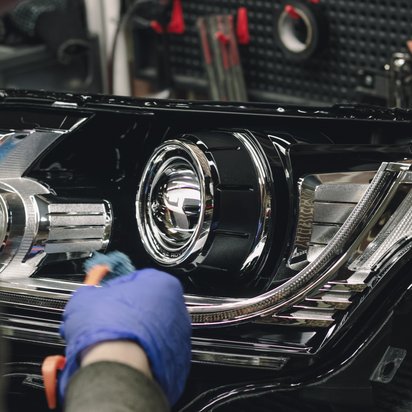
FMVSS (Federal Motor Vehicle Safety Standards) and SAE (Society of Automotive Engineers) are the two cornerstones of the North American automotive industry. FMVSS consists of mandatory government safety regulations that are primarily formulated with reference to technical standards issued by SAE. On the other hand, SAE establishes non-mandatory engineering and technical standards responsible for defining baseline design specifications.
1. Differences and Relationship
- FMVSS (Federal Motor Vehicle Safety Standards): Enforced by the National Highway Traffic Safety Administration (NHTSA). Any vehicle or safety-critical component (such as lamps, brakes, and seatbelts) intended for use on U.S. roads must comply with FMVSS standards to obtain U.S. DOT certification.
- SAE (Society of Automotive Engineers): A professional engineering society responsible for developing vehicle test procedures and design guidelines. SAE itself does not issue certifications, but many specific testing methodologies in FMVSS (such as the light distribution requirements for lighting equipment in FMVSS 108) heavily adopt SAE standards.
2. Common Application Areas (e.g., Automotive Lamps, Glass)
Taking automotive lighting as an example:
- Regulatory Basis: U.S. regulations mandate that automotive lamps must comply with FMVSS 108.
- Testing Standards: The optical and environmental (vibration, weathering) tests specified in FMVSS 108 usually directly reference SAE J-Series standards (such as SAE J575 and SAE J578).
3. How to Achieve Compliance Certification?
- Third-Party Assistance (e.g., AMECA): Many manufacturers commission third-party laboratories—such as UL Solutions or AMECA (Automotive Manufacturers Equipment Compliance Agency)—to perform testing. This ensures that products strictly meet FMVSS/SAE specifications and helps avoid non-compliance penalties.