ISO 10218-1/-2
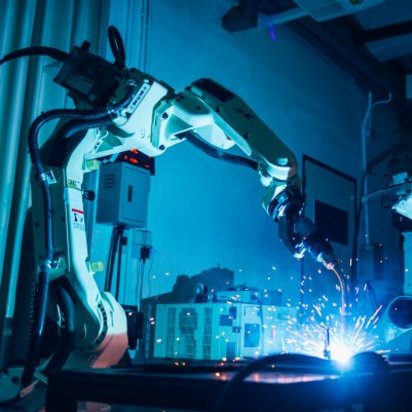

In today’s rapidly evolving automated manufacturing environment, many companies already possess expertise and practical experience in industrial robots and integrated systems, which are widely applied in production, warehousing, and smart factories. However, as the scenarios involving human–machine collaboration become increasingly complex, the potential safety hazards and associated risk costs also rise. The ISO 10218 series of standards was established to address these challenges, providing clear and consistent safety guidelines for the global manufacturing and application of industrial robots.
The ISO 10218 standard is structured into two primary parts:
In this core, the standard seeks to ensure that industrial robots operate with both efficiency and safety across all working environments—mitigating potential risks, preventing accidents, and reducing liability disputes. Today, ISO 10218 has become a critical benchmark for robot manufacturers and system integrators worldwide when exporting or deploying equipment. In particular, within the European Union, North America, and East Asia, it is often regarded as a key reference for obtaining safety certifications such as CE and NRTL.
ISO 10218:2025 incorporates key guidance from ISO/TS 15066, specifically addressing collaborative operation practices and safety function validation processes. In addition, it reinforces integration with closely related standards—such as ISO 13849, ISO 13855, and ISO 20607—to establish a more comprehensive framework for lifecycle safety management in automated equipment.
This lifecycle perspective encompasses every stage, including:
At each phase, the standard emphasizes thorough risk assessment to safeguard operators and third parties, aiming to minimize safety-related hazards and reduce the overall cost of accidents or liability.
Within the ISO 10218 safety regulations, all potential hazards that industrial robots may pose to humans throughout their lifecycle have been consolidated as comprehensively as possible, including:
To address these safety requirements, practical measures may involve:
We recognize that every mechanical system has unique operational demands, and safety planning cannot be approached as a one-size-fits-all template. Our services begin with safety assessment and risk analysis and extend across the entire compliance journey, including design consultation, safety validation, on-site testing, documentation, and the issuance of final compliance reports. Whether for domestic certification or international market entry, we support clients in building safety systems that align with ISO 10218 and related standards—ensuring regulatory compliance while delivering tangible operational value.
The value of robust safety standards extends far beyond risk reduction. They safeguard users and assets across the full lifecycle of robotic systems, while also demonstrating a company’s commitment to quality and responsibility—key differentiators in today’s highly competitive marketplace.